


Your Inspection

What to Expect Before, During, and After Your Inspection

From the moment you schedule with A+ Home Inspections, my goal is simple: give you a clear, honest look at the property so you can move forward with confidence. Buying or selling a home in Central Florida already comes with a lot of moving parts, and your inspection should be the one part of the process that feels straightforward.

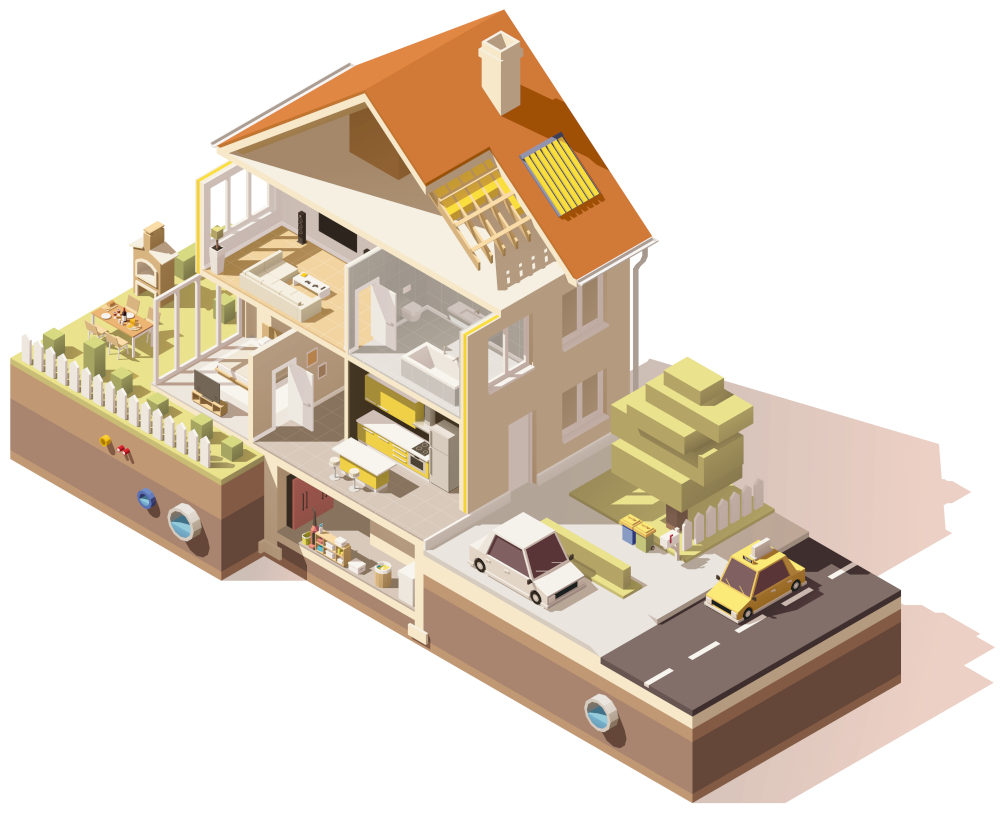
I follow InterNACHI’s Standards of Practice, which set the bar for what a professional home inspector should evaluate and how those findings get communicated. During the walkthrough, I take my time going through the roof, structure, electrical, plumbing, HVAC, and every accessible system in between, flagging anything that could affect your decision or your safety.

Once the walkthrough wraps up, I’ll go over what I found with you in plain language, no jargon, no guessing. You’ll receive a detailed digital report through Spectora, complete with photos and clear descriptions, so you and your real estate agent can review everything together and plan your next steps with actual information instead of assumptions.

Frequently Asked Questions About Your Inspection

I evaluate the roof, foundation, plumbing, electrical systems, HVAC, insulation, windows, doors, attic, and crawlspace, among other components. Depending on the size of the property, plan on the walkthrough taking somewhere between two and three hours.

Clear access to the attic, electrical panel, water heater, and any crawlspaces. Make sure all utilities are on and that appliances you want tested are accessible. If you won’t be there in person, just let me know how I’ll get into the property.

Neither. A home inspection isn’t a pass or fail test. It’s an honest audit of the property’s current condition. Some items on your report may need attention, but that information exists to help you, not to scare you off.

You’re not required to get one, but skipping this step means you could end up owning a property with expensive problems you didn’t know were there. A home inspection is one of the most affordable ways to protect a purchase this large.

These are separate, more focused inspections I also offer. A wind mitigation inspection can lower your insurance premium by documenting storm-resistant features, while a 4-point inspection is often required by insurers on older homes and looks specifically at the roof, electrical, plumbing, and HVAC systems.

I can point you toward what needs attention, but making repairs isn’t part of what a home inspector does. That’s intentional. It keeps my findings unbiased and leaves the decision about contractors and repairs entirely up to you.

5 Benefits of a Home Inspection

Stronger Negotiations

A detailed report gives buyers solid ground to negotiate price or repairs, and gives sellers the chance to handle issues upfront so the asking price holds up under scrutiny.

Real Safety Awareness

I check for the things that actually put people at risk, including electrical hazards, carbon monoxide concerns, moisture and mold conditions, and structural red flags.

A Realistic Budget Ahead

I'll point out components getting close to the end of their lifespan, like an aging roof, HVAC system, or water heater, so nothing catches you off guard financially down the road.

Built-In Trust

Sellers who get a pre-listing inspection show buyers they have nothing to hide, which tends to move deals along faster and with fewer surprises at the negotiating table.

Genuine Peace of Mind

Once you know exactly what you're working with, whether that's a home purchase, a sale, or a commercial property, you can move forward without second-guessing the condition of the place.

What's Included in a Home Inspection?

Roof

Roof coverings, gutters, downspouts, vents, flashing, skylights, chimney, roof penetrations and the general structure of the roof.
Attic, Insulation, Ventilation

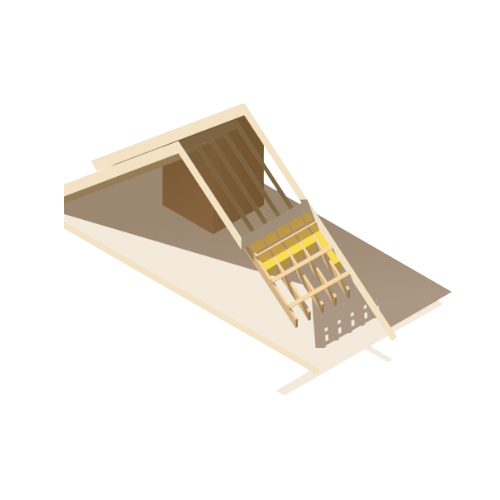
Insulation and ventilation of unfinished spaces, including attics, crawl spaces, foundation areas and exhaust systems.
Exterior

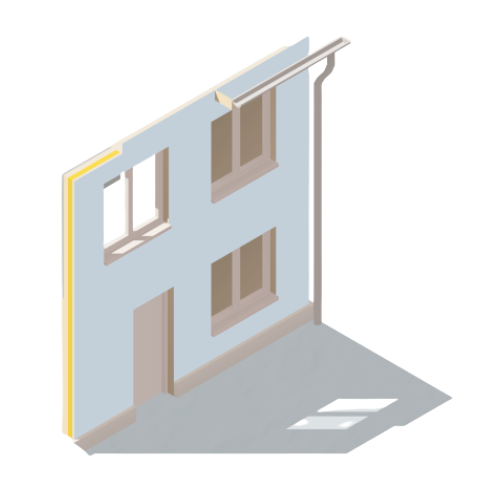
Siding, windows, exterior doors, flashing & trim, walkways, driveways, stairs, patios & decks, and drainage.
Basement, Foundation, Crawlspace, Structure

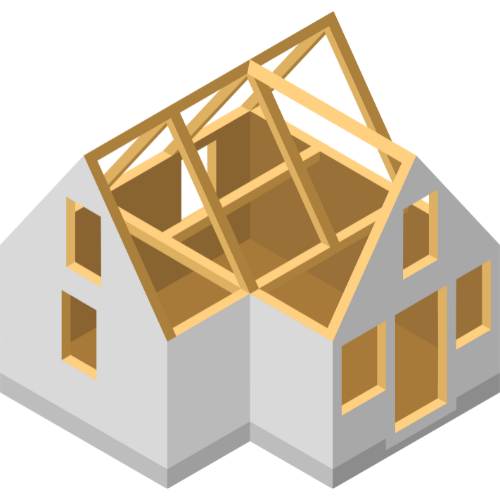
Foundation movement, cracks, structural concerns, and indication of water penetration.
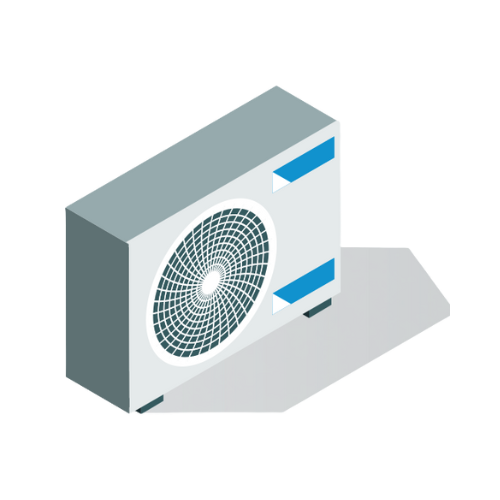
Cooling

Cooling system, location of thermostat, energy source and cooling method.
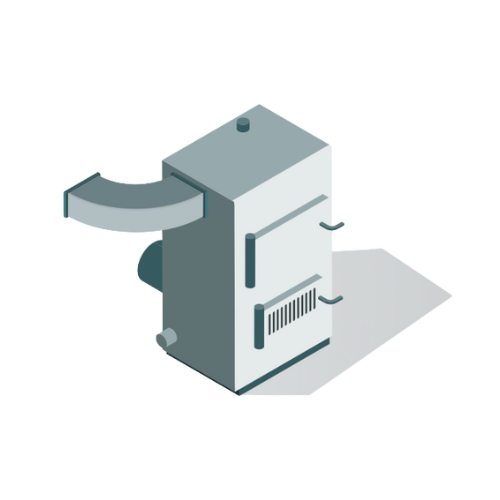
Heating

Heating system, location of thermostat, energy source and heating method.
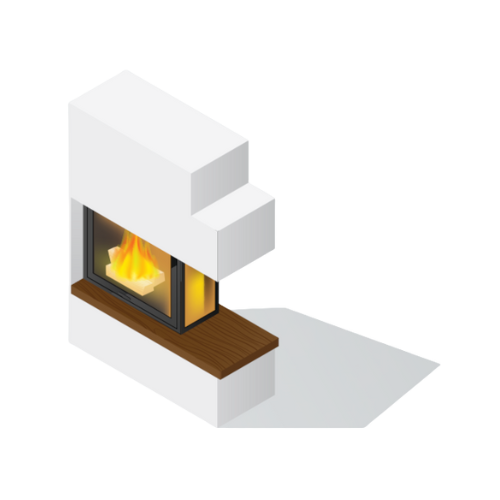
Fireplace

Visible portions of the fireplace & chimneys, lintels, damper doors, and cleanout doors & frames.
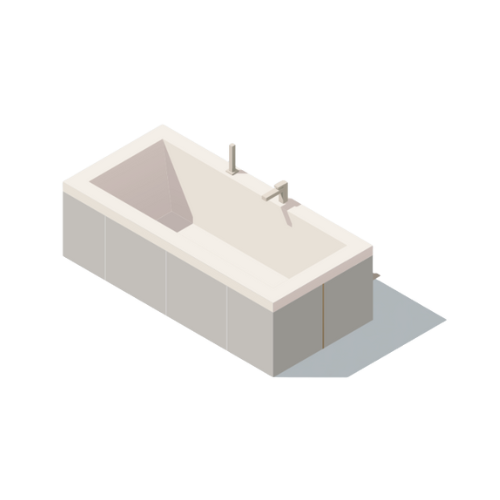
Plumbing

Main water & fuel supply shut-off valves, water heater, interior water supply, toilets, sinks, tubs, showers, drain, waste and vent systems.
Electrical

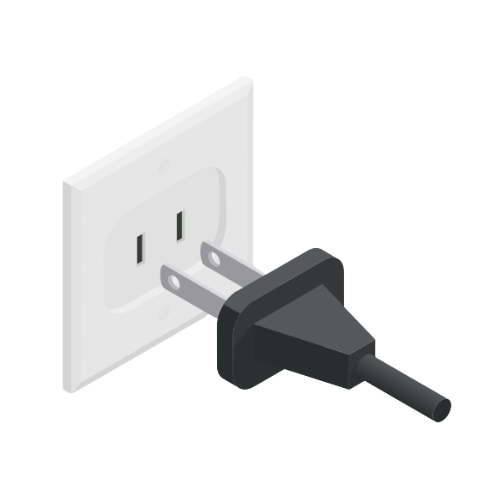
Service drop, overhead service conductors, service head & mast, main service disconnect, panelboards, grounding, switches, light fixtures, receptacles deemed to be AFCI & GFCI, and the presence of smoke alarms & carbon monoxide detectors.
Appliances

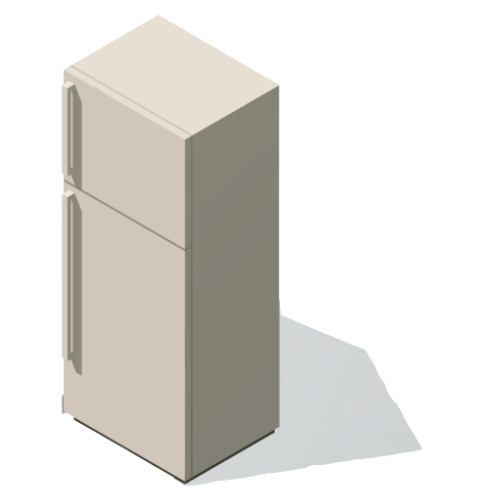
Dishwasher, disposal, range, oven, microwave, refrigerator, exhaust, bathroom heater, garage door, doorbell, and dryer vent
Pool

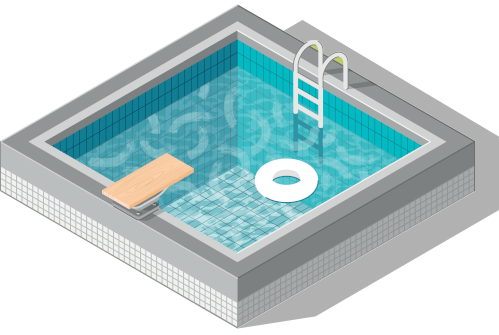
Circulation, heating, filtering, electrical, water chemistry, and possible safety issues.
Doors, Windows, Interior

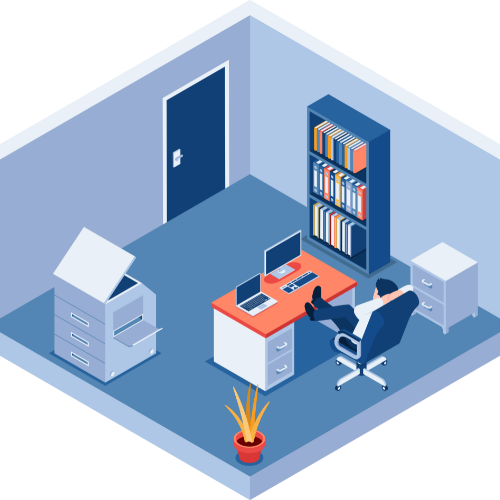
Representative number of doors & windows, floors, walls, ceilings, stairs, railings, garage door and openers.

© Copyright 2026 Spectora Inc.